
27 years of innovative leadership, academic excellence, and societal impact.
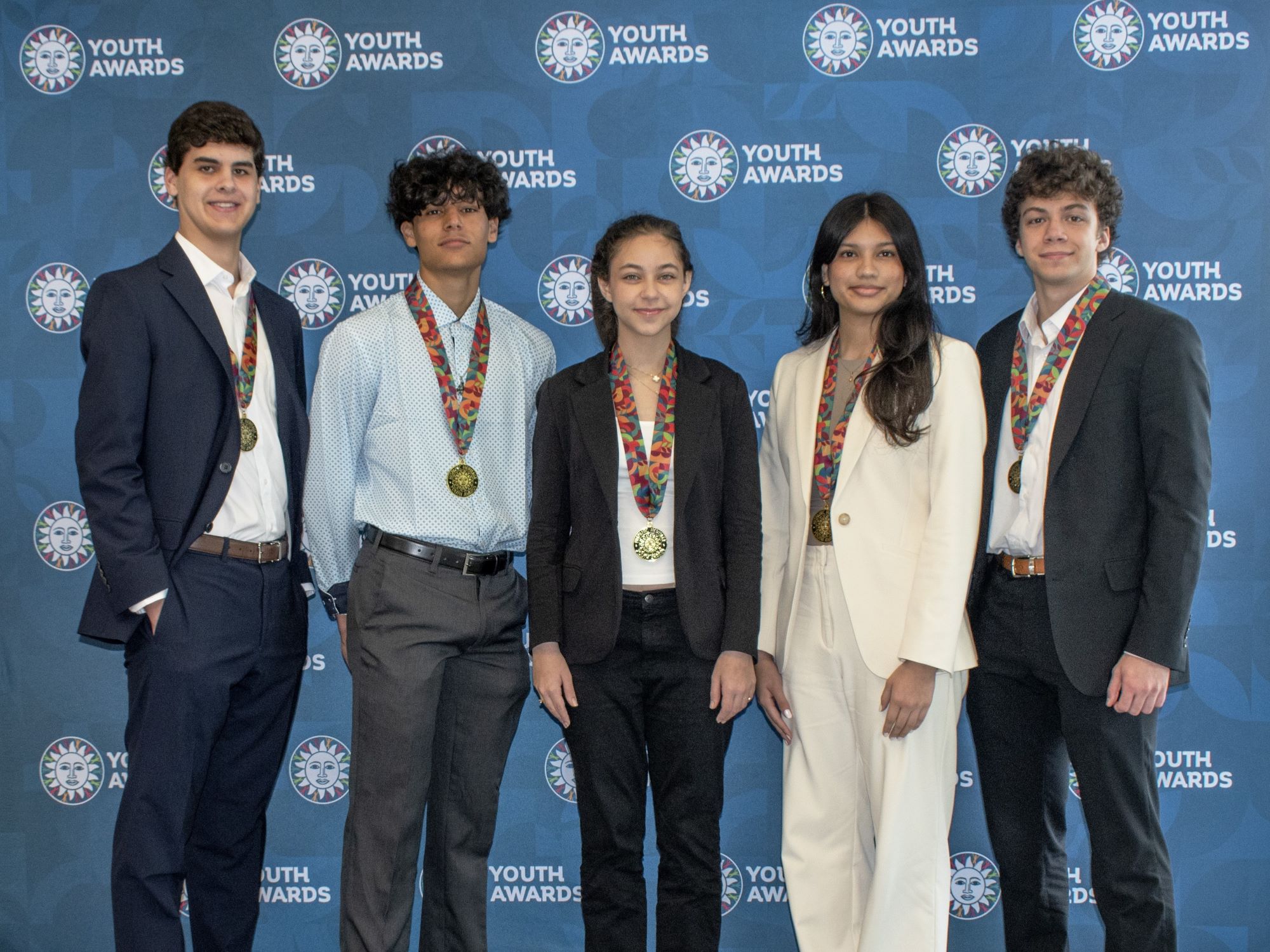
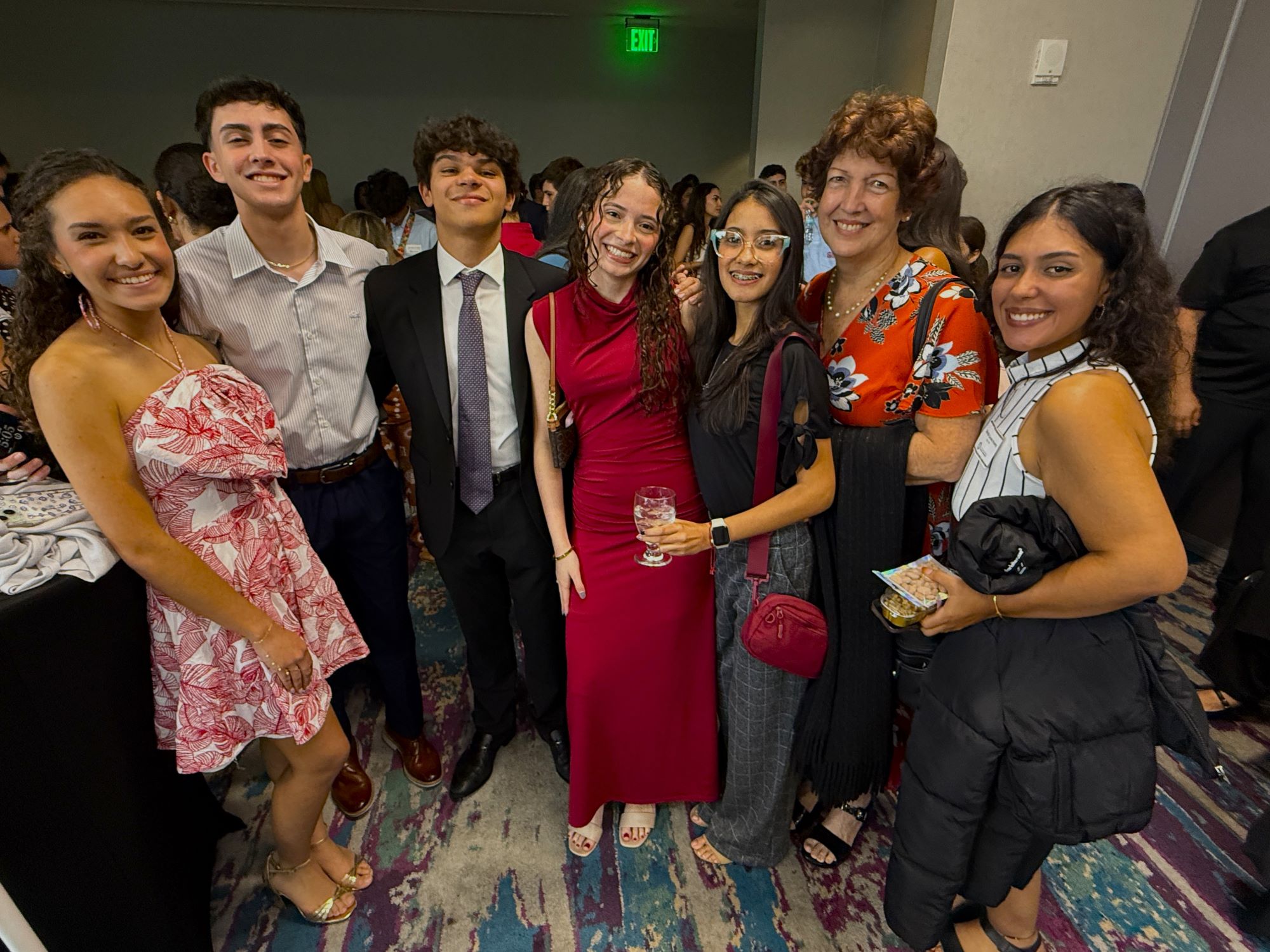
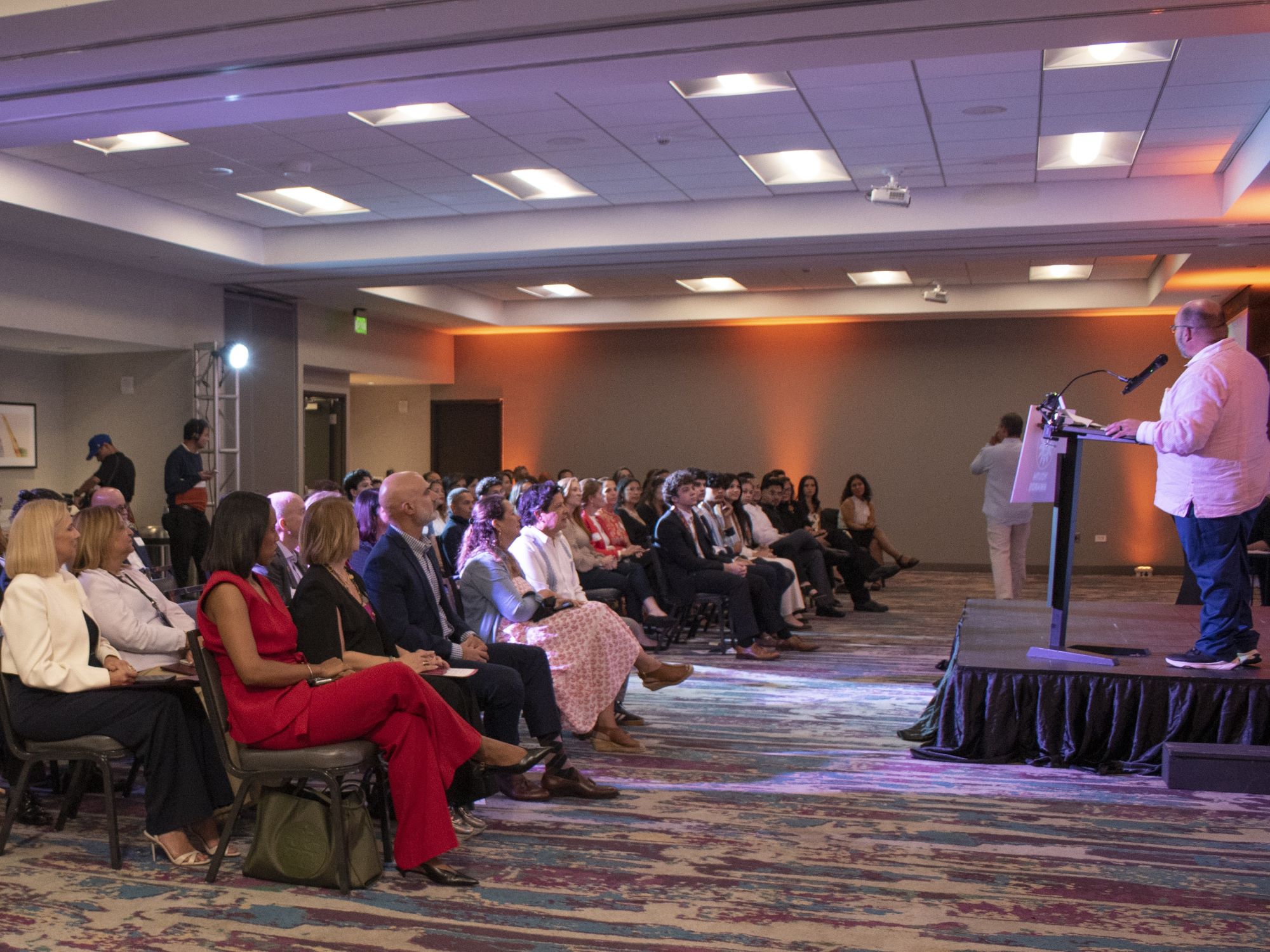
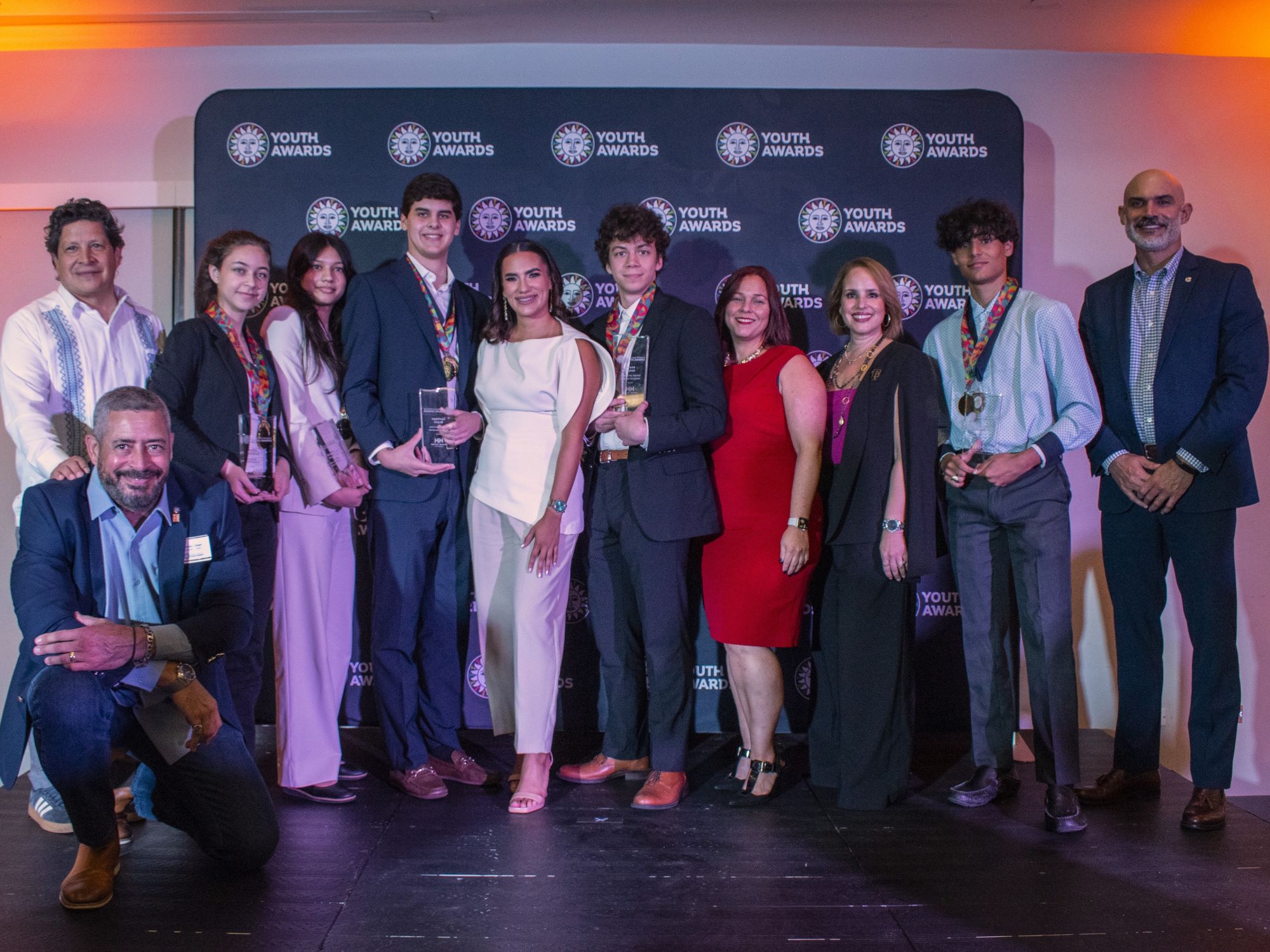
Join the Hispanic Heritage Foundation as we celebrate the National recipients of the 27th Hispanic Heritage Youth Awards; representing the pinnacle of high school leaders in various award categories from across the country.
San Juan, Puerto Rico
March 23, 2026 | 4:30 PM – 6:30 PM
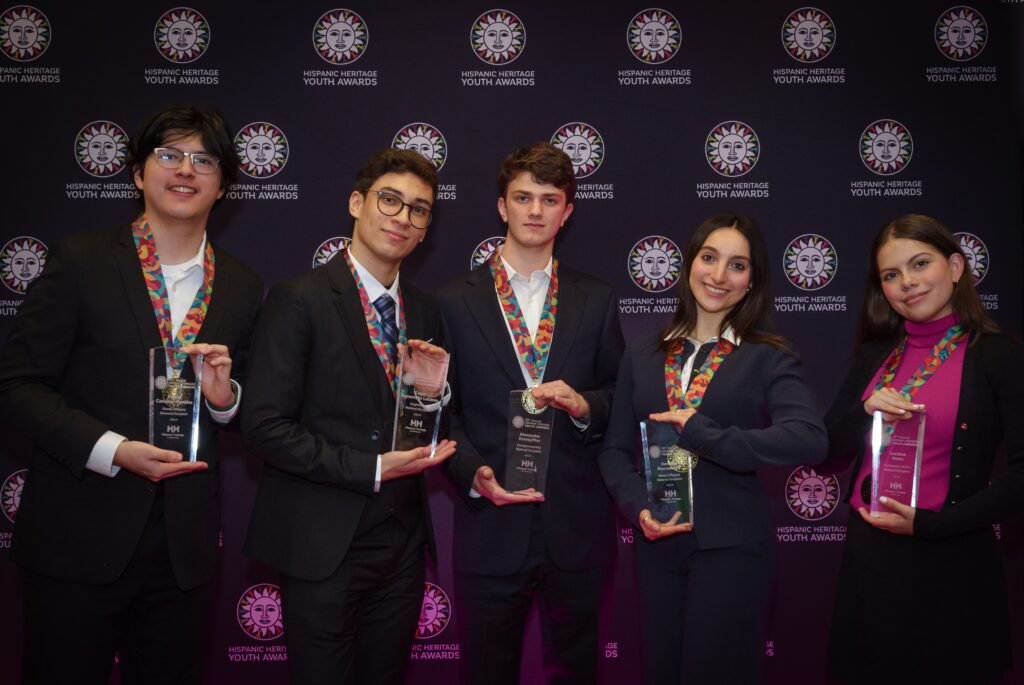
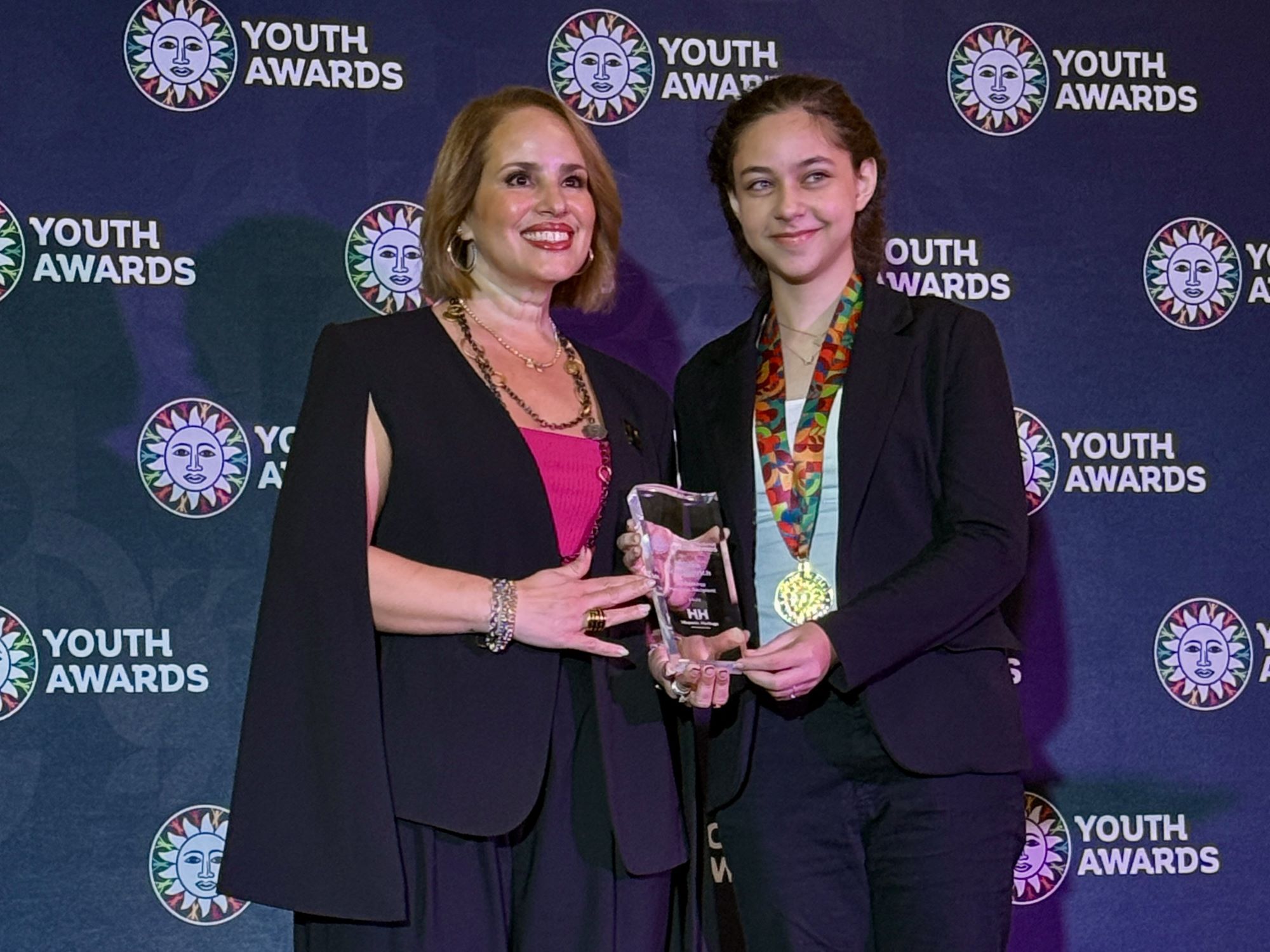
Each year, the Hispanic Heritage Foundation honors national recipients of the Youth Awards. This exceptional group is selected from regional Youth Awards winners, representing all 50 states, as well as Puerto Rico and Washington, D.C., and celebrated in virtual ceremonies.
This outstanding new class of Leaders Of Today will continue the 27-year tradition of innovative leadership, academic excellence, and societal impact established by past youth awardees.
March 23, 2026 | 4:30 PM – 6:30 PM
San Juan Salon
250 Convention Boulevard
San Juan, PR 00907
Check In
Reception
Ceremony
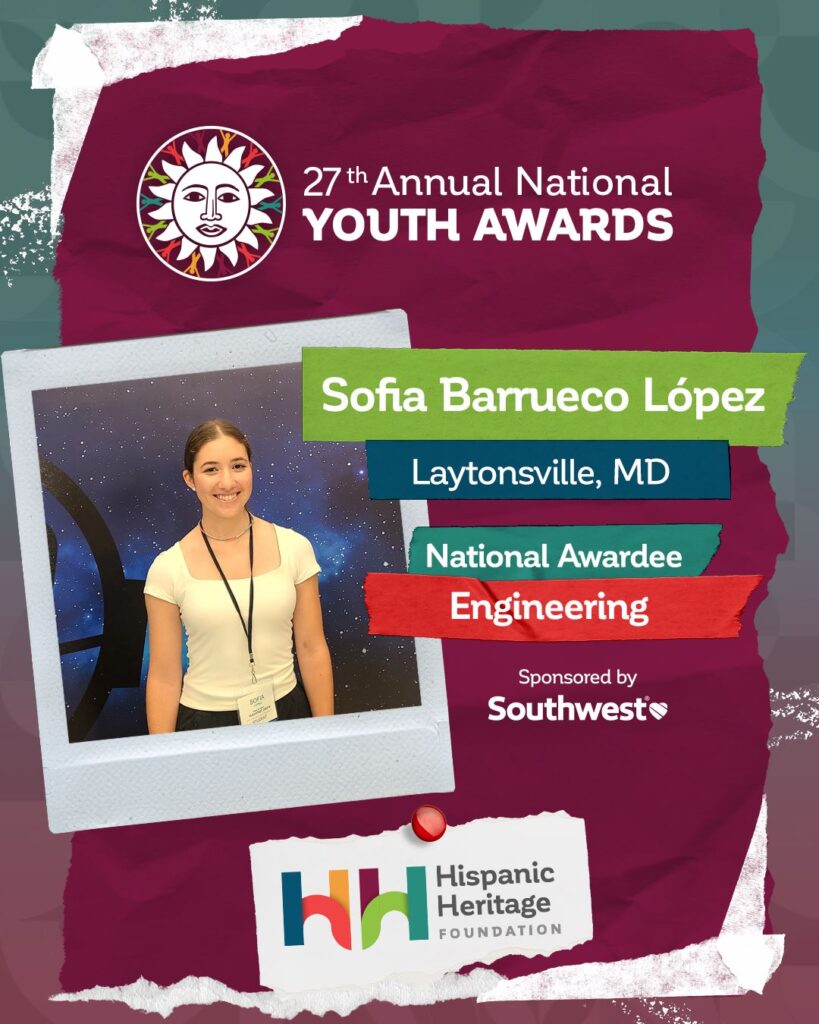
High School: Georgetown Visitation Preparatory School
Hometown: Laytonsville, MD
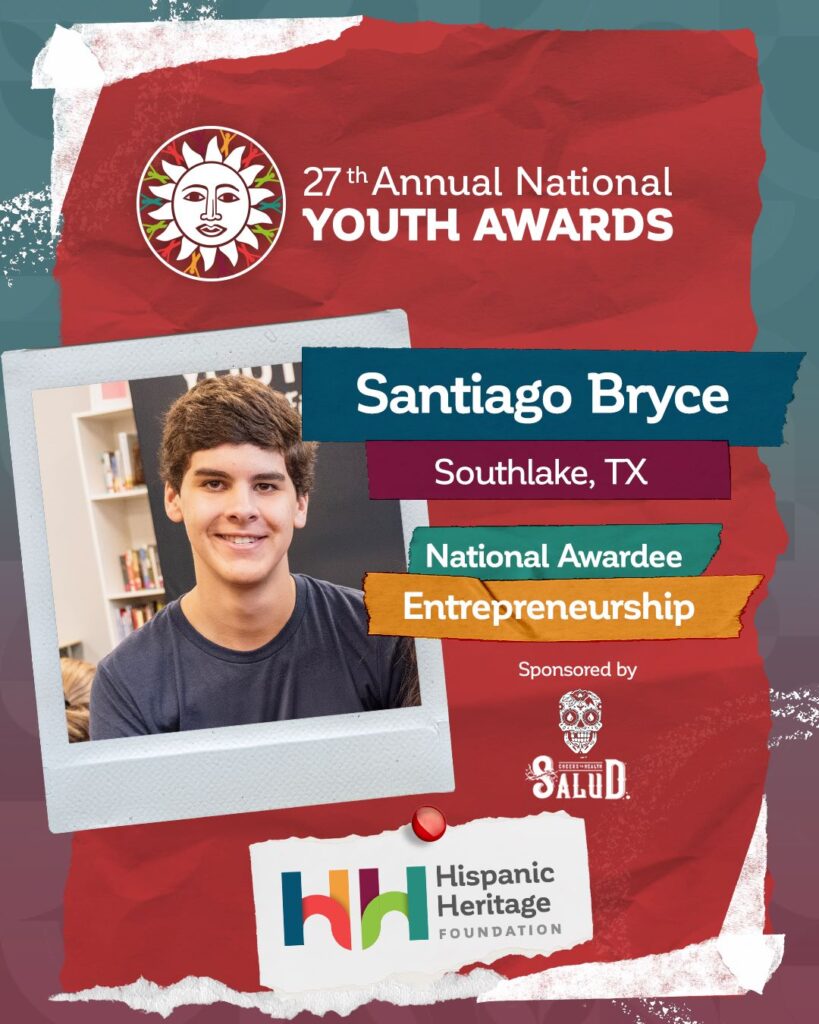
High School: Jesuit College Preparatory School of Dallas
Hometown: Southlake, TX
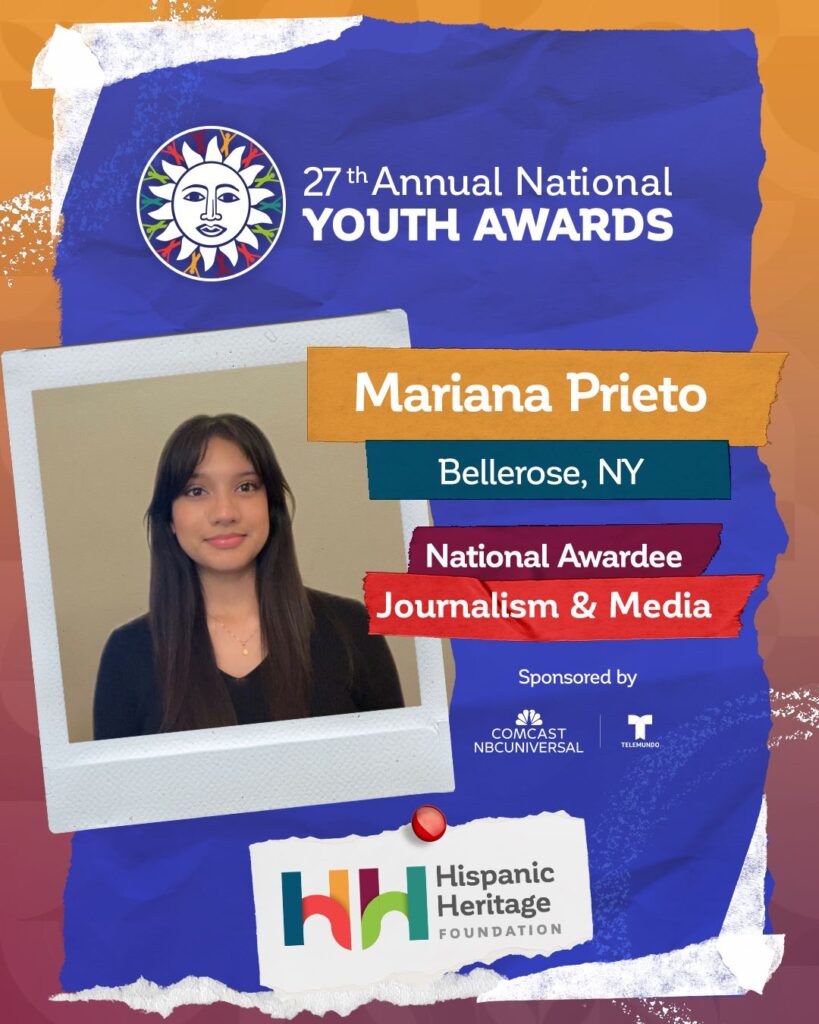
High School: Benjamin N. Cardozo High School
Hometown: Bellerose, NY



“We are thrilled to celebrate the achievements and potential of these young, innovative leaders who will carry on the tradition of past Youth Awardees. Their leadership is needed today, not just in the future — we can’t afford to wait. Our dedicated sponsors understand the importance of investing in the youngest and most dynamic segment of our population, and their commitment makes this work possible.”
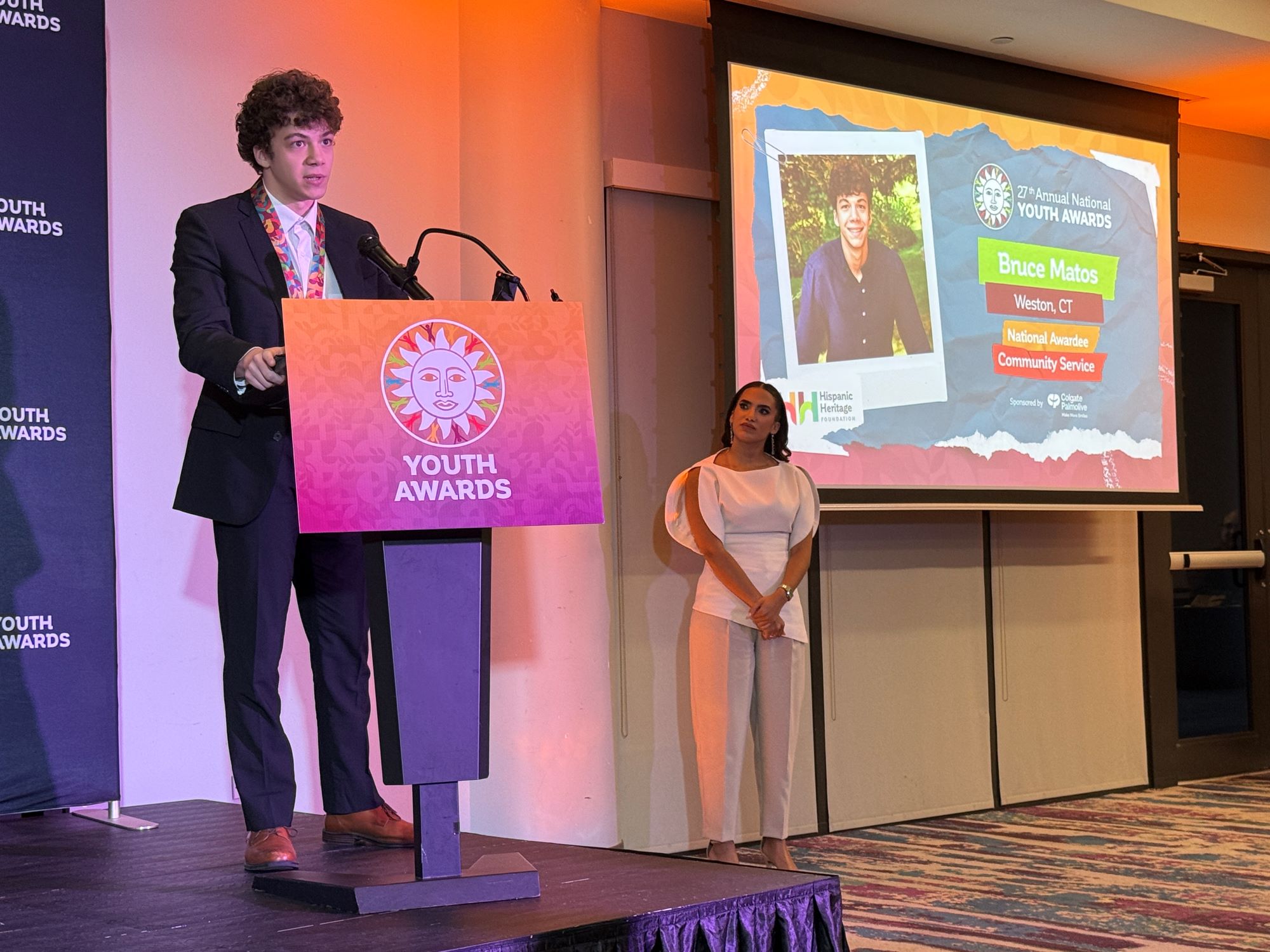
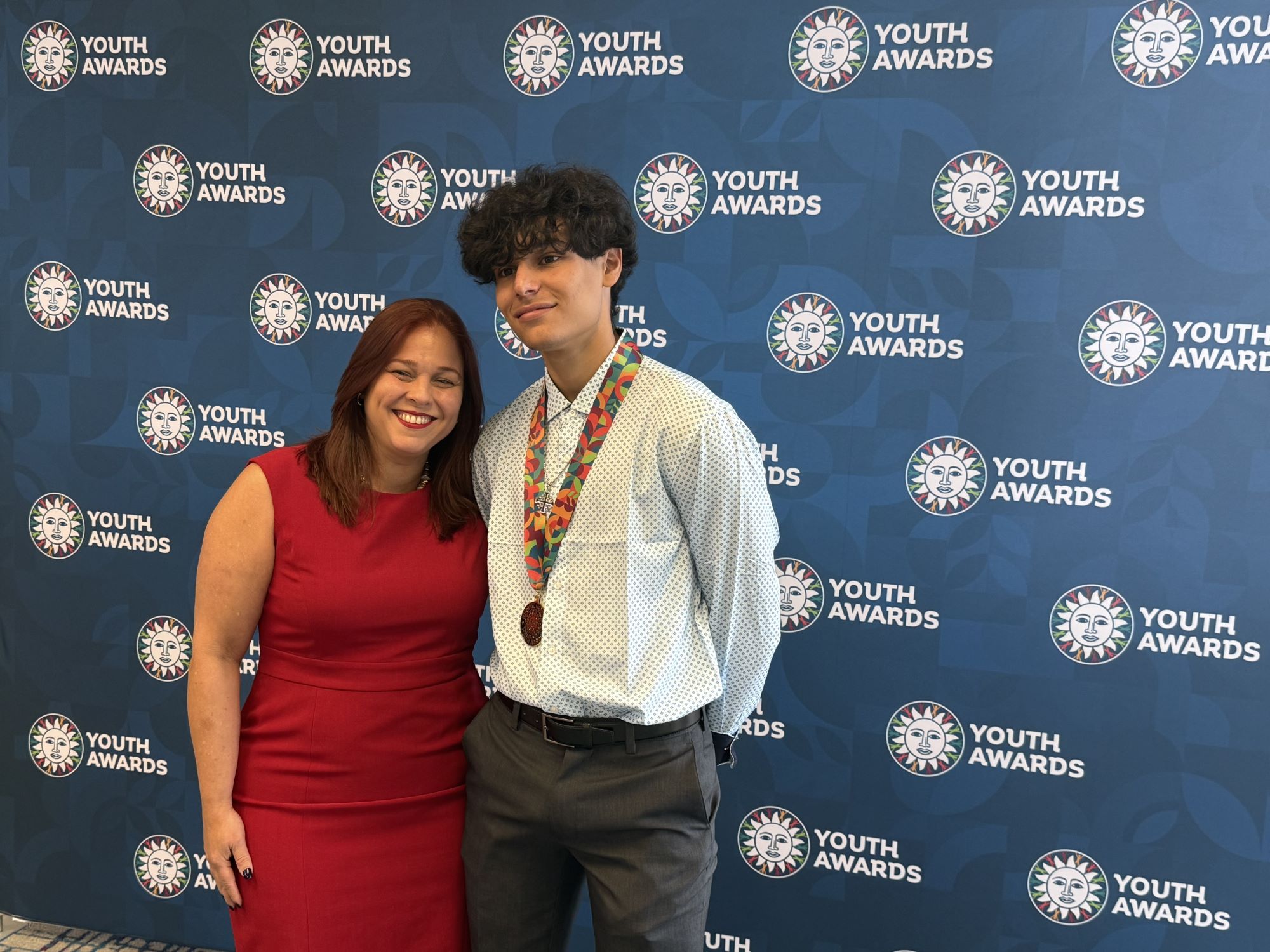
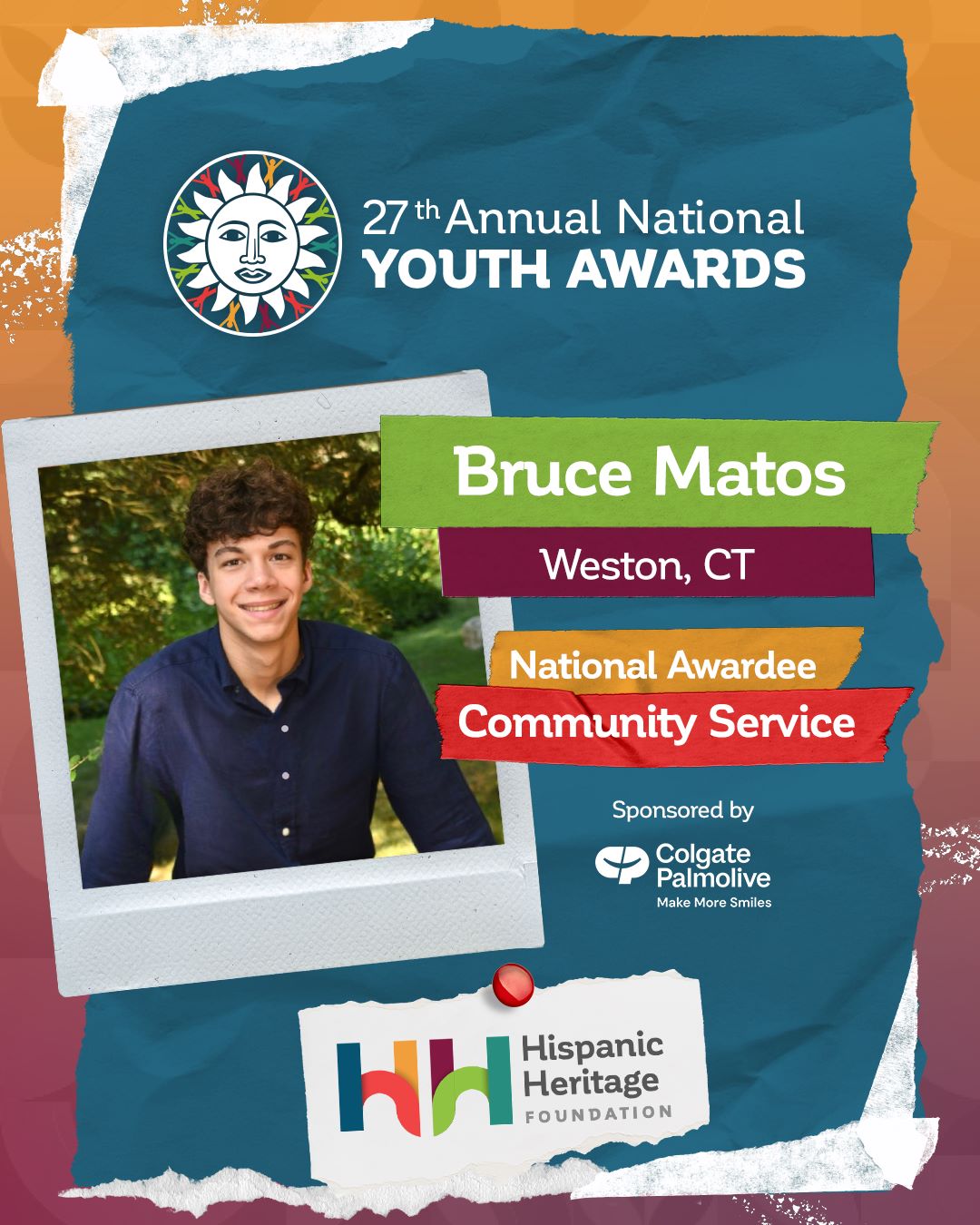
High School: Weston High School
Hometown: Weston, CT
“Dominicano, Cubano, Puertorriqueño, ¡da lo mismo! You’re Hispanic, you always look out for your people.” Bruce Matos learned this from his father, who, despite facing health challenges that have limited his mobility over the past decade, still makes time every Saturday to visit a local lunch spot and chat about baseball with the Dominican immigrant community. That example of watching his father show up for others, even when it is hard, has taught Bruce that leadership is not loud. It is built on presence, patience, and knowing your community.
Under Bruce’s leadership as head of partners and sponsors for Joshua’s Heart Foundation (JHF), the organization distributed 12,000 pounds of food and household essentials to more than 1,300 people in a single weekend. He spent nearly a year planning the food drive and securing sponsors, raising $12,000 in donations. When logistical challenges made hosting in Connecticut impossible, he shifted the effort to Miami, where JHF’s systems were already in place. He traveled from Connecticut and spent three days planning, packing, and delivering thousands of pounds of produce, groceries, and toiletries alongside local volunteers. When trucks arrived late and equipment failed, his youth-led team unloaded everything by hand. “Community service is not about perfection,” Bruce reflects. “It’s about mobilizing people, meeting needs, and redefining what’s possible when young leaders don’t wait to lead.”
His path to JHF began in scouting, which he joined in first grade following in his older brother’s footsteps. To earn the rank of Eagle Scout, Bruce completed a 128-hour project during COVID, collecting gently used martial arts equipment, refurbishing it, and donating it to under-resourced schools for after-school activities. The project was personal. He has spent more than 13 years training in Kung Fu, eventually earning a black belt and becoming an assistant instructor. Today, he teaches free classes in his community to expose youth to the mental health and physical benefits of exercise and martial arts. “I try to make sure the people in each community feel seen,” he says. For Bruce, service should be culturally grounded, otherwise it risks missing the people it is meant to help.
Wanting to expand his impact beyond scouting, Bruce co-founded the Connecticut Junior Advisory Board for JHF in eighth grade. With his team, the chapter led a 10,000-book drive and a 7,000-school-supply drive for underprivileged schools in Connecticut. As head of partners and sponsors, he built relationships with corporate donors, and in 18 months, his team raised $43,000, funds that fed more than 1,500 families in South Florida. Claudia McLean, executive director of JHF, describes him as someone who turns “empathy into organized, measurable service.” She notes that in the past year alone, Bruce personally raised more than $20,000, with his team raising more than $40,000 to fund groceries, hygiene kits, and youth-led distributions. “Bruce consistently chooses the unglamorous work that makes service durable,” she writes. “He arrives prepared, stays until the last box is packed, and follows up with thank-you notes and next steps so partners want to work with our students again.”
Bruce has also channeled his family’s experience with chronic illness into healthcare advocacy. Two years ago, he launched his school’s first HOSA Future Health Professionals chapter, recruiting more than 30 members. He has hosted “Careers in Medicine” and “Women in Healthcare” panels that drew more than 60 students, invited medical professionals to speak at his school, and launched a mental health awareness campaign in partnership with a local senior living facility. His efforts helped Weston High School earn a state ranking in its inaugural year competing at HOSA and a first place finish in College Physics. He was elected Connecticut HOSA state officer and VP of communications, representing more than 1,000 students statewide, and was honored with the International Barbara James Service Award for health-focused volunteer work.
As vice president of veteran events for the American Heroes Club, Bruce has spent more than three years helping to organize Veterans Day events, hosting luncheons, and co-leading fundraisers that raised $2,200 for Disabled American Veterans. He serves as secretary-general of Model United Nations (MUN), where he rebuilt the club post-COVID from five members to sixteen and has represented Weston High School at Princeton, Harvard, and Global Citizens MUN conferences, serving as a delegate on WHO committees. He is also president of the Cultural Linguistics Preservation Society, where he has initiated cultural awareness projects in partnership with the Mohegan Tribe.
The scope of Bruce’s involvement extends well beyond what we can capture here. He has also served as co-captain of his school’s varsity track and field team, where he competed at the State Conference in the 300m hurdles in the spring and qualified for the CT Southwest Conference in the 4x400m relay and 4x200m relay this winter. He is a violinist and member of Tri-M Honor Society. He was selected among the top 5% globally for the New York Academy of Sciences Junior Academy, collaborating on ethical AI for sustainable health. He participated in Columbia University’s YES in the HEIGHTS program, focusing on cancer health disparities, and served on the Scouting America National Youth Council, collaborating with the Executive Board to improve programs nationwide. He co-founded DECA at his school, through which he promotes career and technical education. He was a research assistant at the Institute of Etiological Research, working with Dr. Hecht on the effects of martial arts training on adolescent brain neuroplasticity. He completed a research internship at Johns Hopkins focused on brain science. And in July 2025, he was selected to attend Connecticut Boys State, where he was voted state representative by his peers.
Bruce maintains a 4.0 unweighted GPA while balancing a demanding course load of honors and AP classes. He has been recognized as a National Hispanic Recognition Scholar, earned the United Nations and Brandeis Book Awards for two consecutive years, and received a Congressional Award Gold Medal for more than 400 hours of service. He is a four-time recipient of the Presidential Volunteer Service Gold Medal, with more than 800 hours of service to date. He was named a Coca-Cola Scholars Semifinalist and was honored as one of Hormel Foods’ 10 Under 20 Food Heroes for his work advancing food security nationwide. He was also named one of Ten Teens to Watch in 2025, the sole recipient from his school.
Bruce plans to study global public health with a minor in cognitive science. His goal is to learn how to communicate medical knowledge in ways that build trust and improve care in Hispanic neighborhoods. For Bruce, service has never been about headlines. It has always been about showing up, staying until the work is done, and making sure people feel seen.
High School: Georgetown Visitation Preparatory School
Hometown: Laytonsville, MD
For Sofía Barrueco López, her proudest accomplishments in engineering came from her participation in the ASPIRE internship at the Johns Hopkins Applied Physics Laboratory (APL), a highly competitive program with an acceptance rate of less than 10%. During her internship, she worked within the Maritime Robotics group, where she led a project that incorporated laser-scanning capabilities into underwater drones to map and safeguard fragile ecosystems on the ocean floor. For this project, Sofía innovated, planned next steps, and communicated and coordinated with various internal and external partners. She contributed her skills in MATLAB, Python, and SolidWorks, developed codes for image processing, fabricated equipment modifications using 3D printed models, and conducted experiments in the water tank. Acting as the lead on this project, she partnered with systems engineers, civil engineers, materials scientists, business people, and technicians.
Her performance garnered her an invitation to continue the APL internship through her junior and senior years, affirming her commitment to pursuing a career in engineering. Sofía’s current APL internship project was inspired by the opening scene of the movie Top Gun, where the powerful launching of jets captivated her attention as she tried to decipher the detailed mechanics of the outdated steam catapult launch system. After much research and consultation with experts, she is now leading a project to design a low-cost, energy-efficient Electromagnetic Aircraft Launch System (EMALS) launching fixed-wing unmanned aerial vehicles from mid-sized ships with limited deck space.
Her engineering achievements extend beyond her work at Johns Hopkins University. For the past three years, she also has participated in the NASA-sponsored Cubes in Space (CiS) program, where she designed experiments to test the potential harmful effects of radiation on the degradation of prosthetic materials. This project was inspired by the story of astronaut John McFall, who faced barriers and exclusion due to concerns that his prosthetic leg might emit toxic gases in space. To contribute to the science of engineering, Sofía collaborated with prosthetic companies to source materials and analyze hundreds of samples after they returned from space. As initial results revealed slight toxicity due to radiation exposure, she is now examining alternative and sustainable approaches. By sharing findings at professional conferences, she strives to make space exploration safer and more inclusive. In the aerospace field, she was supported by a scholarship to conduct independent experiments on NASA sounding rockets and scientific balloons. The research was displayed at NASA’s Wallops Flight Facility Visitor Center and viewed by more than 20,000 visitors. Based on her aerospace inclusion research experiment with NASA, she was selected as a Finalist for the National STEM Festival from over 2,500 students in the United States.
In addition to her engineering accomplishments, Sofía regularly gives back to her community. Every week, she volunteers her time to prepare and serve meals to food-insecure populations. Given her longstanding commitments to this volunteer work, she now leads student sessions, conducts recipe research, and supports the overall administrative function. In her time with the organization, she has cooked for over 700 individuals and families. Her leadership in service was also recognized when she was named senior representative of her Faith-in-Action Leadership Team. In this role and in partnership with the food pantry, she prepared 1,000 meals for local children and families.
She was honored with the STEM in Action Award from the Society of Women Engineers (SWE). Sofía was the sole Mid-Atlantic awardee and one of only 25 students nationwide to receive the award. She also presented at the American Institute for Aeronautics and Astronautics conference and at the Greater Washington, DC Junior Science and Humanities Symposium (JSHS) where her oral presentation was among the top 10 submissions.
Sofía has received recognition from her high school for the highest academic honors across all four years, as well as recognition from the College Board for being within the top 3% of students in the United States. In addition to her academic and engineering excellence, she is also a competitive dancer, Spanish language tutor, and co-founder of the CubeSat Satellite Club. She plans to study mechanical engineering and has applied to a number of top universities, including Notre Dame, Cornell, and Princeton.
As she prepares for college, Sofía is reminded of the importance of her Hispanic heritage and the family experiences that have shaped her path. She honors the challenges faced by her immigrant grandparents: her maternal grandparents as Cuban refugees, and her paternal grandfather, a 2nd generation Mexican immigrant who grew up in poverty in East Los Angeles. Despite humble beginnings, her maternal grandfather became an electrician, and her paternal grandfather earned a degree in mechanical engineering and became an Air Force fighter pilot. Sofía seeks to extend their legacy with her own contributions to engineering and society.
High School: Jesuit College Preparatory School of Dallas
Hometown: Southlake, TX
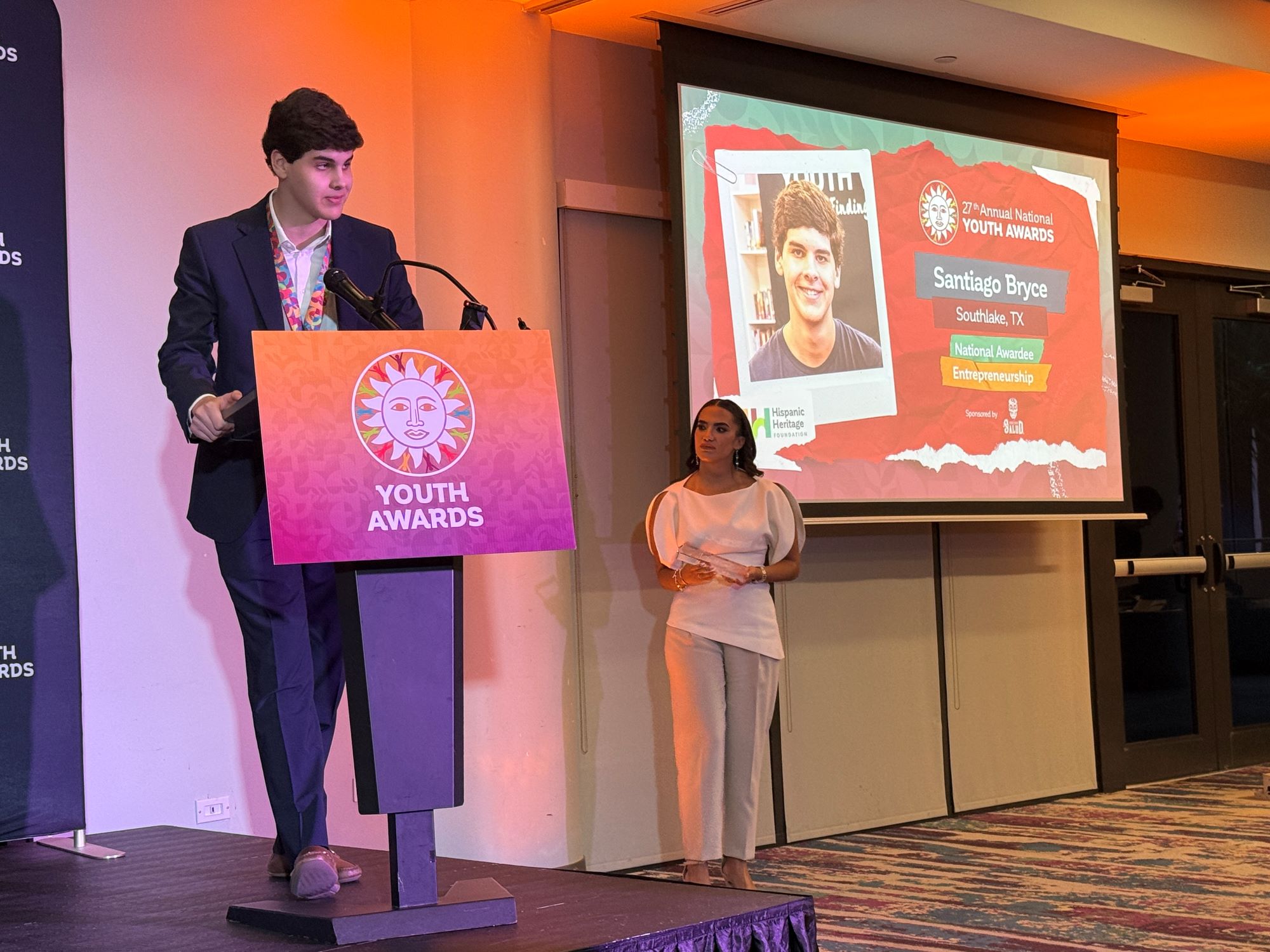
Santiago Bryce spent his childhood playing soccer in Mexico, Brazil, and Chile, where the sport was accessible to everyone. When his family moved to the United States, he saw a different reality. What struck him was how the pay-to-play model that shapes American youth soccer kept kids with talent and drive off the field if their families could not afford expensive club fees. Through the Change Bowl, a Shark Tank style pitch competition for aspiring entrepreneurs, Santiago had the opportunity to turn what he had noticed into a plan. He presented his idea to a panel of business leaders and secured funding to bridge this gap. He launched Soccer with Santi, a free summer camp, as well as the FC Mustangs, the first free intramural soccer league in Grapevine, Texas for underserved children. Every summer for the past five years, fifty kids have come through his program. Santiago partnered with the FC Dallas Foundation to offer soccer gear and professional training with Academy coaches, and he designed custom jerseys so every kid belonged to an official team. He produced a video with messages from soccer stars about hard work and perseverance, and he is currently working with a nonprofit to apply for a field development grant to build a mini soccer pitch these children can enjoy for years to come.
While volunteering with kids from under-resourced schools in Dallas, Santiago noticed the disproportionate access among students to basic money management skills. So, he leveraged the skills he learned from an internship at Charles Schwab, a financial services firm, to create and launch his high school’s first financial literacy course for middle school students enrolled in the Higher Achievement Program, an academic enrichment camp. He designed the course to continue after he graduates and plans to expand it to Dallas-area schools and nonprofits through a partnership with his school’s Service and Justice Department.
While living in Latin America, Santiago understood the potential for business to be more than a means to an end. It became personal when he met Lily. She had a son Santiago’s age who also loved soccer, and they formed an immediate bond. Santiago learned that Lily’s son lived in a rural village in Peru and had to walk an hour, sometimes barefoot, to attend the nearest school. Inspired by her son, when his family moved back to the U.S., Santiago partnered with Soles4Souls, a nonprofit that helps people in developing countries launch and sustain their own small business selling donated shoes. Over five years, he has built what began as a personal goal of collecting 10,000 pairs into a campaign spanning 15 schools. He recruited students as ambassadors, secured a partnership with VANS, led fundraisers, and appeared on ABC News to raise awareness that more than 300 million kids worldwide do not own a good pair of shoes. To date, he has collected more than 17,000 pairs, creating $150,000 in economic opportunities and providing a full year of food, housing, and education for 17 families in countries like Haiti and Honduras. After surpassing his original goal, he set a new target of 25,000 pairs. Santiago considers his work with Soles4Souls his proudest achievement in entrepreneurship. Organizing people, securing partnerships, raising awareness, and scaling an idea required the same skills he brings to his own ventures, and the result was measurable impact for families in need across the world.
At Jesuit College Preparatory School of Dallas, Santiago serves as board member and chief marketing officer of the Entrepreneurship Club, where he leads marketing and sales for student-centered products and has helped generate over $6,000 in revenue across four years. He also serves as VP of marketing for his school’s DECA chapter, which he helped found. His involvement extends well beyond entrepreneurship. Through Scholars and Athletes Serving Others, where he has been a member for four years, Santiago was elected to the Student Advisory Council, one of eight students responsible for planning and executing events for more than 400 members. Through the United to Learn program, he tutors students from underserved schools, and through Kinetic Kids, he teaches adaptive swim lessons for children with special needs. Every Wednesday of his senior year, he has provided companionship to Alzheimer’s patients at a memory care facility called Charlin Health Services. He also mentors freshmen as a Big Brother at his school and, outside of his service work, plays soccer and tennis.
Santiago has received the President’s Volunteer Service Award over three consecutive years, representing more than 300 hours of service, as well as the College Board National Hispanic Recognition Award, and AP Scholar with Distinction. He was selected as a 2026 Cameron Impact Scholar, one of 15 students in the nation awarded a four-year, full-tuition impact-driven undergraduate scholarship honoring excellence in leadership, service, and academics. His work has been covered in Southlake Style magazine and he has been featured on the House of Shine podcast, where he appeared as a guest twice. He was also invited to be the first student judge at the Change Bowl pitch competition, evaluating presentations and allocating funding to aspiring entrepreneurs like himself alongside business industry leaders.
Before the shoe drives and soccer camps, before the pitch competitions and the financial literacy classes, Santiago was already passionate about business. As a toddler, his grandfather patiently helped him look for the perfect coconuts to sell to Oasis Café, the best Cuban take out restaurant in Miami. They spent hours scouring the ground together until they found the perfect coconuts: hard green exterior, thick fibrous husk, and the real test – the sloshing sound when shaken. His grandfather joked that Santiago would either become an entrepreneur or study finance. His dream is to do both. Santiago intends to study finance with a minor in entrepreneurship at the University of Notre Dame, with a long-term goal of starting his own socially responsible company one day.
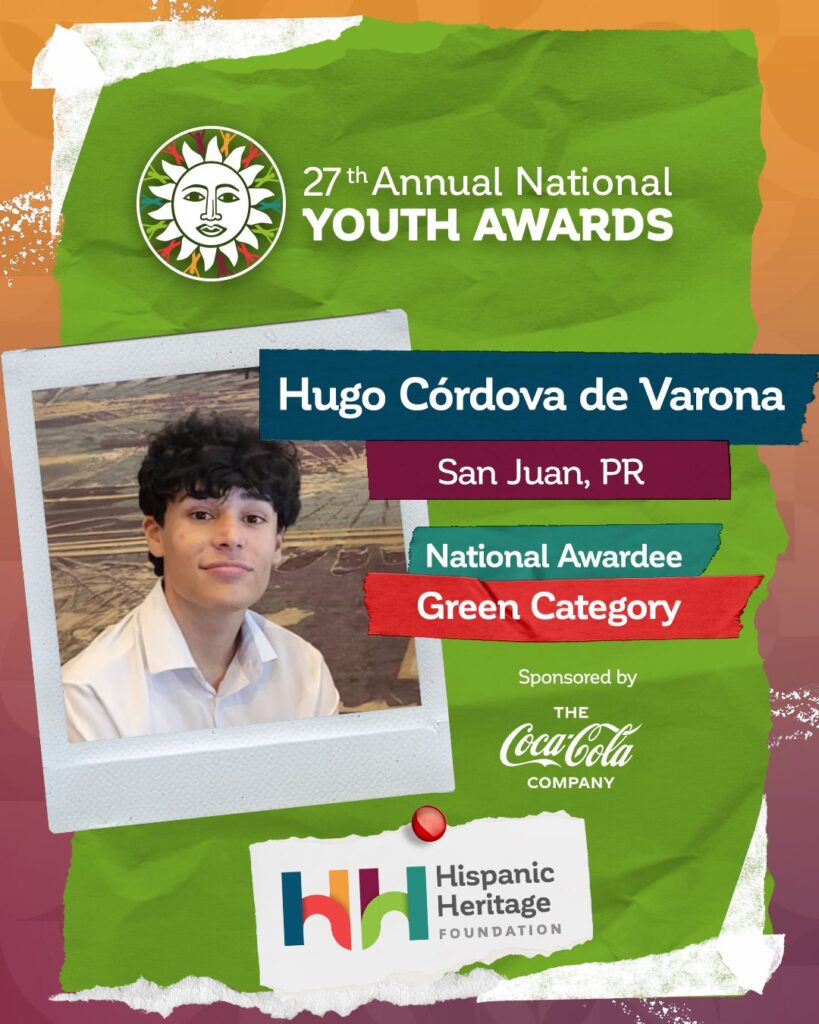
High School: Colegio San Ignacio
Hometown: San Juan, PR
Hugo Córdova de Varona’s environmental consciousness started at home. His mother’s drive to protect the planet influenced the whole family: they reduce waste, fix and reuse items, recycle, and participate in beach cleanups. Even when visiting the beach just for fun, they clean it up. By high school, he had spent years working with coding and robotics, and he saw an opportunity to merge those technical interests with his environmental values.
His signature project began four years ago as a simple soil moisture sensor to determine the best time to water plants. Year after year, Hugo added complexity: automatic irrigation based on moisture thresholds, then temperature and humidity sensors, Bluetooth data transmission, a mobile app, and a rain collection system. For the project’s final year, he recruited a partner, allowing them to cover more ground and improve the system beyond its previous scope. By its final iteration, the project had become a full prototype for automatic irrigation and fertilization powered by machine learning. The system tracks over a dozen variables, including plant type and size, leaf surface area, soil moisture, pH, and ambient conditions, to make real-time decisions about when and how much to water and fertilize. Because no existing studies addressed automating fertilization using soil parameters and AI, Hugo and his partner had to assemble their own training dataset from scratch. The results speak for themselves: 92% accuracy for irrigation decisions, 78% for fertilization, and reductions of 88% in water consumption and 31% in fertilizer use. The system also helps prevent eutrophication, the nutrient pollution that chokes water bodies.
The project has earned Hugo a wall’s worth of recognition. At Puerto Rico’s Metropolitan Science Fairs, he collected six gold and two silver medals along with more than ten special awards, including the NASA Earth System Science Project Award, a US Air Force Outstanding Project designation, and the USAID Science Champion Award for using science to address international development challenges. His work qualified him as a Regeneron ISEF 2024 Observer, placing him among Puerto Rico’s top fifteen scorers. At the Foro Internacional Ciencias en Puerto Rico, he won first place in the Environment category twice and took home the overall grand prize, qualifying for international fairs in Turkey, Mexico, Peru, Argentina, and Chile. At CIENTEC, Peru’s international science fair, he claimed first place in engineering and technology. And at the Stockholm Junior Water Prize competition, Hugo earned first place at the state level in 2023 before becoming the 2024 state champion and representing Puerto Rico at nationals in Colorado.
Hugo brings the same hands-on design approach to the Society of Hispanic Professional Engineers Jr. Recycling Plastic Boat Competition, where he and his team design, build, and race paddle boats constructed entirely from recycled plastic bottles, wrap, and fishing wire. The competition also requires a school and community recycling campaign. He grew from rower to co-leader as his team won first place in the relay race, poster presentation, boat design, and overall competition for three consecutive years because their raft remains the most stable, lightest, and fastest in the water. He is currently preparing for this year’s competition as well. During three summers of Immersion Projects Design Thinking courses, he worked on additional projects related to recycling and sustainability, and in his chemistry class, he took on NASA’s Plant Moon Challenge, testing different soil compositions and irrigation methods to grow plants more efficiently for space exploration.
Growing up in Puerto Rico has shaped how Hugo thinks about the environment and infrastructure. When Hurricanes Irma and María hit, his family stayed on the island. Their home became a relief center, receiving boxes of food, medicine, batteries, and clothes from friends on the mainland. Hugo and his family delivered supplies across the island, often without cell service or any certainty they would find gas. Eight years later, Puerto Rico’s power grid remains fragile, with outages occurring frequently and water supply shortages persisting. “Resilience isn’t just a word in PR; it’s daily life,” Hugo writes. To address these challenges, he proposes implementing community microgrids across the island, using rooftops and parking areas to capture solar energy and create interconnected systems that could power and support each other. He points to the Casa Pueblo solar microgrid project in Adjuntas as a working model. As a future engineer, he hopes to be part of that implementation someday.
At Colegio San Ignacio, Hugo founded the AI & CS Club after recognizing that students interested in programming and data science lacked opportunities to explore those interests. In its first year, the club organized TED-style talks with professionals in data science, programming, and AI, and club teams competed in Lockheed Martin’s CodeQuest and CyberQuest, winning first and third place, respectively. This year, all four of the club’s teams that competed in CodeQuest placed within the top six, with Hugo’s team earning second place. He is now planning his school’s first hackathon with hopes of creating an interschool coding league to expand STEM opportunities across Puerto Rico. He also serves as president of the Science Club, where he fulfilled his goal of bringing an interscholastic Science Bowl back to his school after years without one, organizing and running the competition with his club in December. His team earned second place and went on to compete at the state level earlier this month. Hugo also coaches underclassmen for competitions and serves as vice president of the Math Club, whose team ranks among the island’s top five and recently placed third at the Puerto Rico Interscholastic Math League competition at Inter American University of Puerto Rico’s Bayamón Campus. His academic excellence has earned him recognition as a National Merit Scholarship Finalist, National Hispanic Recognition Award recipient, Presidential Scholar Candidate, and AP Scholar with Distinction.
And there is more. Hugo participated in MIT’s Jameel Clinic AI & Health Bootcamp, where his team built a machine-learning model to help predict strokes, and in MIT’s FutureMakers Data Science and Analytics cohort, where he helped a nonprofit develop an AI model to guide its expansion strategy. That experience sparked the idea of offering his technical skills to a nonprofit for his senior service project. He completed Inspirit AI’s virtual program and became an AI ambassador at his school in tenth grade. He was among the first 100 middle school students to learn about quantum computing through The Coding School’s Qbit program, taught by an MIT graduate. He has led his team to victories in VEX robotics competitions, earned multiple medals in math Olympiads and National Science Bowl competitions, and represented Puerto Rico at the MILSET International Science Expo in Mexico. This year, he and a partner are developing a wearable device that estimates stress from heart rate, sweat, and other physiological signals to study its relationship with academic motivation and performance. The project won first place at their school’s science fair in the Technology category and second place at regionals. His commitment to scientific research has been constant since eighth grade, five consecutive years that earned him a special award at his local science fair, a rare distinction shared by no more than a handful of students across the entire competition. The list, frankly, keeps going.
Lilliam Rodríguez Capó, founder and CEO of VOCES Coalición de Inmunización y Promoción de la Salud de Puerto Rico, has known Hugo since he was eight years old, when he helped his family distribute aid across Puerto Rico after Hurricane María. She watched him sort donations and prepare supplies despite his young age. “Even then, it was apparent that he possessed maturity, empathy, and a sense of responsibility,” she recalls. His growth over the years, she says, “has been remarkable but never surprising, because from the beginning, he stood out as someone driven by both intellect and purpose.” She describes Hugo as “one of the most accomplished young innovators [she has] encountered,” a young man of integrity, humility, and intellectual curiosity who carries “a rare balance of academic rigor, athletic commitment, emotional intelligence, and kindness.” In her view, Hugo “represents the future of Hispanic excellence: a young innovator grounded in service, culture, family, faith, and purpose.”
Service is one of five pillars at his Jesuit school, and Hugo has completed over 100 hours since ninth grade, including beach cleanups with Para la Naturaleza and Scubba Dogs. The experiences he values most are those where he can apply his skills to help others. During tenth grade, he tutored a first-grader who had been identified for grade retention, a six-year-old from a difficult economic background who could not read. He brought memory phonetic games to make learning less tedious, and by the end of the year, the boy’s teacher reported he was passing to the next grade. “This meant everything to me because I knew the impact it had on his life,” Hugo shares. For his senior Maggis project (a Jesuit value meaning “more,” serving with greater intention and purpose), he sought out VOCES, a nonprofit dedicated to preventive health and equal access. Learning that the organization needed a way to track HPV vaccine dose completion but lacked the funding and technical resources to build one, he gathered a team of seniors from his AI & CS Club to construct a web application for tracking doses, sending follow-up reminders, and educating the public about HPV and cancer prevention. He still finds time for varsity and club baseball, competing on the field with the same determination he brings to every other pursuit.
Hugo has already been accepted to ten of the country’s leading universities and is weighing his options as remaining decisions come in. He plans to study chemical engineering with minors in data science and artificial intelligence, combining those fields to develop solutions for problems like inequitable access to clean water, food, and affordable healthcare. For this young Boricua who has watched his island adapt to one storm after another, technology is not a luxury for a few but a necessity for all.
High School: School: Benjamin N. Cardozo High School
Hometown: Bellerose, NY
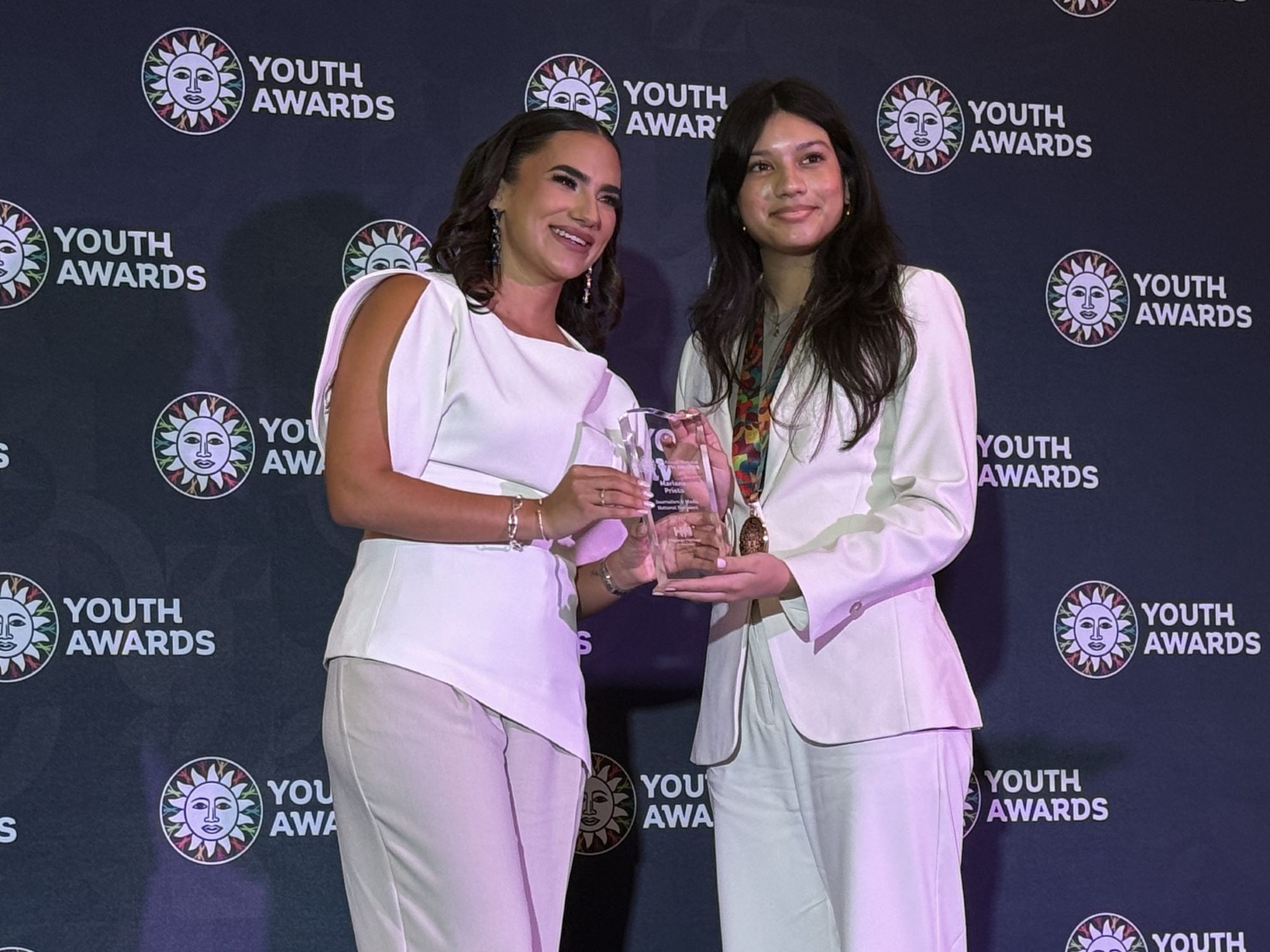
Whether completing tasks, training for sports, studying for tests, or even washing the dishes, Mariana Prieto would often hear the expression “échale ganas.” Regardless of how small or big the job at hand was, that statement motivated her to give it her all. She applied it to her approach to journalism, first as a junior reporter and then as a senior editor for the newspaper at Benjamin N. Cardozo High School. “It formed my attention to detail and emphasis on proper research for every article, ranging from staff spotlights to how national events impacted our school community,” she says. The journalism accomplishment she is proudest of is her leadership role at The Verdict, her school’s newspaper. One of four in the journalism program appointed to the position, she covers the world news and arts and entertainment beats. The achievement is meaningful to her because she was recognized for her dedication to being a reporter, and she continues to introduce improvements, including new editorial workflows to strengthen collaboration and delegation. She also mentors other reporters and serves on the Principal’s Council as the student representative for the journalism program, sharing student and staff concerns.
Building on this experience, she spent the summer of 2025 developing her skills through Elon University’s Emerging Journalists Program, where she trained in law and ethics, news writing, photojournalism, multimedia broadcast, and design, researched and wrote articles, edited videos, and worked behind the camera for a live broadcast. She also participated in the School of The New York Times course on the United Nations and human rights, engaging with diplomats and journalists and participating in a Security Council simulation, and was selected for the Press Pass student editor bootcamp to refine her collaboration and editorial skills.
Her Colombian upbringing shaped her desire to spotlight overlooked communities. In a household alive with music, conversation, and laughter, she learned to fight for her voice and realized the importance of doing so for others. At fourteen, she interned for a city councilwoman’s re-election campaign, where late hours and long discussions sparked her interest in political literacy and informing others so they could make decisions while voting. She joined the media relations team for Teens for Press Freedom, an organization working to combat media censorship, reporting on present-day infringements of free speech ranging from content censorship by Meta to the suspension of student protestors. It was while working on this team that she committed to ensuring journalism stays a tool for the public to rely on for information.
Community service remains a priority. Growing up as the daughter of two public servants, a teacher and a firefighter, she spent time at her father’s fire station, where she saw firsthand how everyone stepped into action when called upon. She learned that rank did not matter because everyone had a role to play. A member of the Key Club with over 200 service hours, she has headed the marketing and media committee, worked at a summer camp for young girls, tutored, organized a book drive with a nearby community college for a women’s shelter, and run food drives and school events. She has also taken on a leadership role in her school’s Model UN club, where she personally mentored two members on the role conflict, poverty, and climate anxiety have on mental health, and as the club’s vice president, recently organized a mock conference to prepare her team for the 2026 Global Citizens Model United Nations Conference.
With several acceptances already in hand, including UNC Chapel Hill, Syracuse University, and Elon University, Mariana is preparing to study journalism with a minor in political science. She hopes to carry her commitment to service forward and continue showing up for the communities around her.
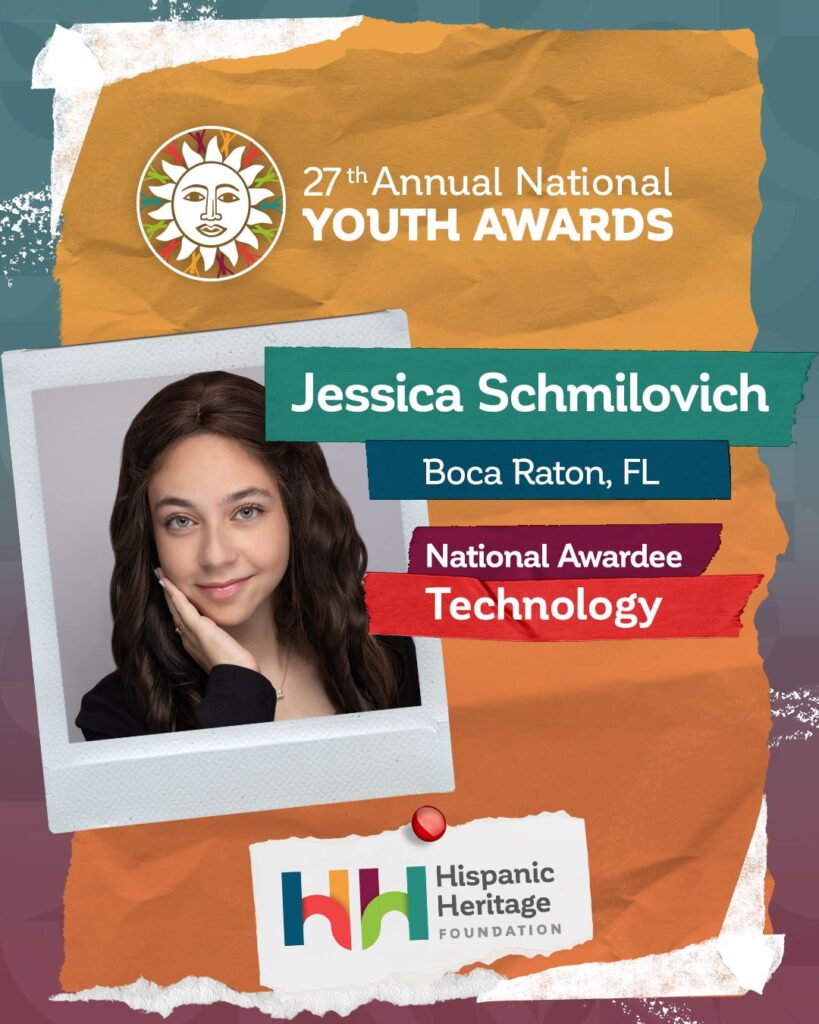
High School: Pine Crest School
Hometown: Boca Raton, FL
The computer mouse sat on the desk like a trap waiting to spring. At least, that is how Jessica Schmilovich’s grandmother seemed to see it. She stared at the device, unwilling to touch it, convinced that one wrong move might break the whole machine. “¿Estás segura?” she whispered, turning to Jessica for reassurance before she dared lay a finger on it. As a first-generation American from an Argentinian immigrant family, Jessica often helped her grandmother, who speaks mostly Spanish, navigate technology. That day, watching her grandma in fear, led Jessica to a realization that informs her work to this day: technology is not truly impactful until everyone feels confident using it. It only achieves its purpose when it is accessible and comfortable for all users. Digital literacy education can change that, equipping people with the knowledge and skills to engage with technology on their own terms, and when such education reaches across languages and generations, it becomes a tool for inclusion. With this understanding and keeping families like hers in mind, Jessica founded Tech 4 Now, a nonprofit that offers free bilingual digital literacy education in English and Spanish.
Through Tech 4 Now, Jessica serves children and seniors in Florida, New York, and across Latin America. The organization runs two programs, Kids Learn Tech and Seniors Learn Tech, which offer workshops in person and virtually. Participants learn coding, online safety, and how to use technology with confidence. Jessica built the organization from the ground up, creating its bilingual website, developing its bilingual curriculum, and leading outreach, volunteer recruitment, and community partnerships. She also recruits other teens to join her mission, expanding the reach of what she started. One moment captures why this work matters to her. A senior participant who spoke only Spanish used what she had learned in class to video chat with her grandchildren, feeling connected to them once again. Moments like this are why Tech 4 Now exists.
Teaching others to use technology is one way Jessica makes an impact. Creating technology to address the challenges her generation faces is another. Her generation confronts questions previous generations never had to ask. “Is this image real or AI-generated?” “Is this comment true or written by a chatbot?” AI misinformation spreads fast, influencing views and opinions, and Jessica wondered what she could create to help people verify content before taking it at face value. Her answer was AuthentiCheck AI, a platform designed to detect AI-generated misinformation. She submitted AuthentiCheck AI to the Technovation Girls Challenge and was named a Global Semifinalist among nearly 11,000 girls from 69 countries. Jessica also created Flip the Switch, a mental wellness app designed to improve emotional well-being. Flip the Switch won the Congressional App Challenge in 2024 and is now featured in Technovation’s Sustainable Development Goal 3 Power Solutions tutorial. In her words, both projects “integrated empathy into innovation,” and both strengthened her skills in Python, HTML, JavaScript, and React Native.
Jessica’s technical abilities extend into academic research at the university level. The summer before her junior year, she attended the Yale Young Global Scholars program, participating in seminars on app development and ethical AI. In 2024, she began working as a research intern at the University of Miami’s Data Science and Computational Biology Lab under the mentorship of Dr. Vanessa Aguiar-Pulido. There, her work uses advanced computational methods to investigate the molecular mechanisms underlying neurodevelopmental disorders. Dr. Aguiar-Pulido notes that this is not research she would normally entrust to a high school student, yet Jessica approaches it with the diligence, dedication, and persistence she expects from graduate researchers. Using machine learning, Python, and R, Jessica examines brain development. Her latest research was accepted for presentation at the ACM Conference on Bioinformatics, Computational Biology, and Health Informatics, which Dr. Aguiar-Pulido calls a remarkable accomplishment. Jessica also received the NYU GSTEM Winston Data Scholarship in 2025. Through that program, she modeled human decision-making variability computationally using Python and MATLAB. Beyond her research, Jessica has earned recognition on multiple fronts. She is a 2025 NCWIT Aspirations in Computing National Winner, a 2025 ACSL International Silver Medalist with the highest score in Florida, and a 2026 Coca-Cola Scholars Program Regional Finalist. A top student at Pine Crest School, Jessica has paired her academic achievements with a drive to uplift others.
One way Jessica uplifts others is through her role as Florida’s only Technovation Student Ambassador. In this position, she has reached over 80 educational institutions statewide, supporting girls in developing apps to solve issues in their communities. Her leadership at Technovation has grown over time. She became a community leader and co-hosted Technovation’s 2025 Global Celebration, watching young innovators worldwide unite around technology’s power for change. Inspiring others to see themselves as changemakers, she found, is just as fulfilling. That drive to empower others carries into her other work. As a youth leader for GoodforMEdia, she advocates for healthier social media discussions. At Pine Crest School, she co-founded a Girls Who Code chapter and serves as co-president, where she mentors younger girls in programming and fosters their confidence. She also volunteers through UPchieve, tutoring students in math, science, and computer science.
Jessica will attend Stanford University, where she plans to study computer science and math. Her experiences have shaped a clear commitment to using technology as a tool for positive change and a bridge to bring people together. For this young Latina, technology is most powerful when it makes room for everyone.